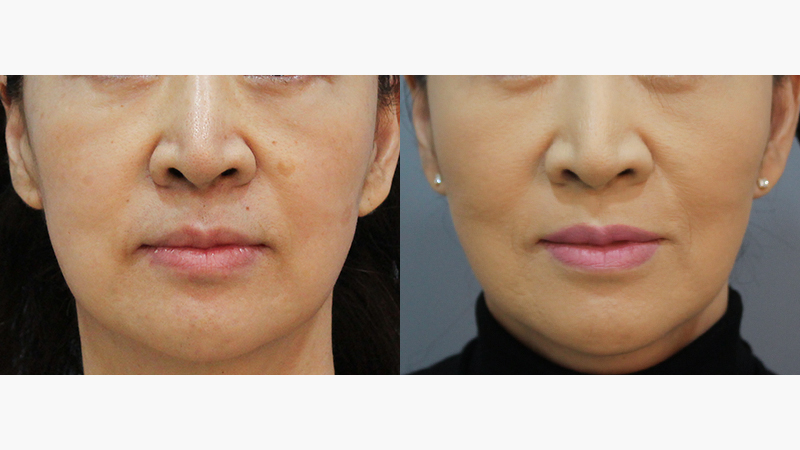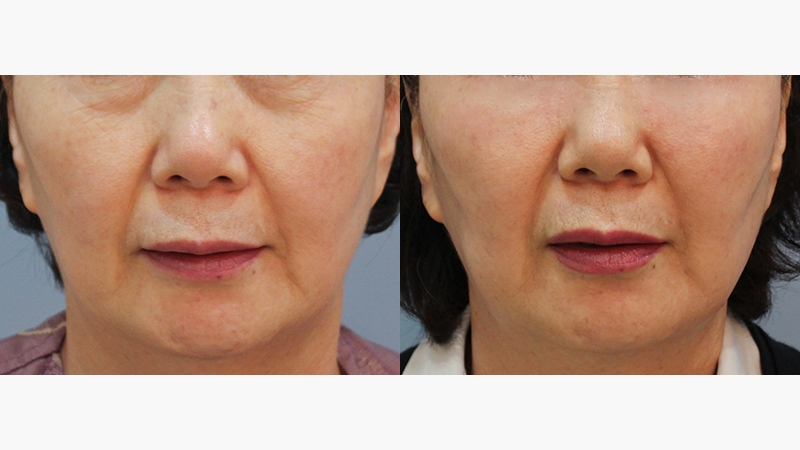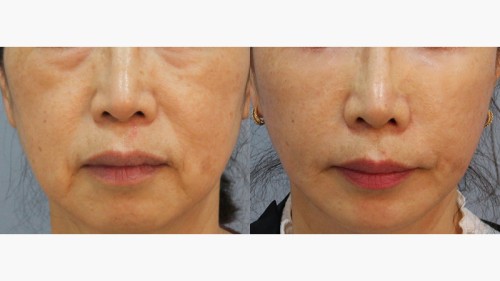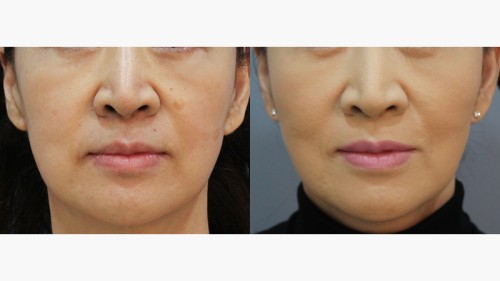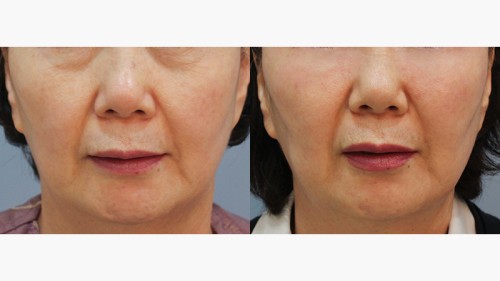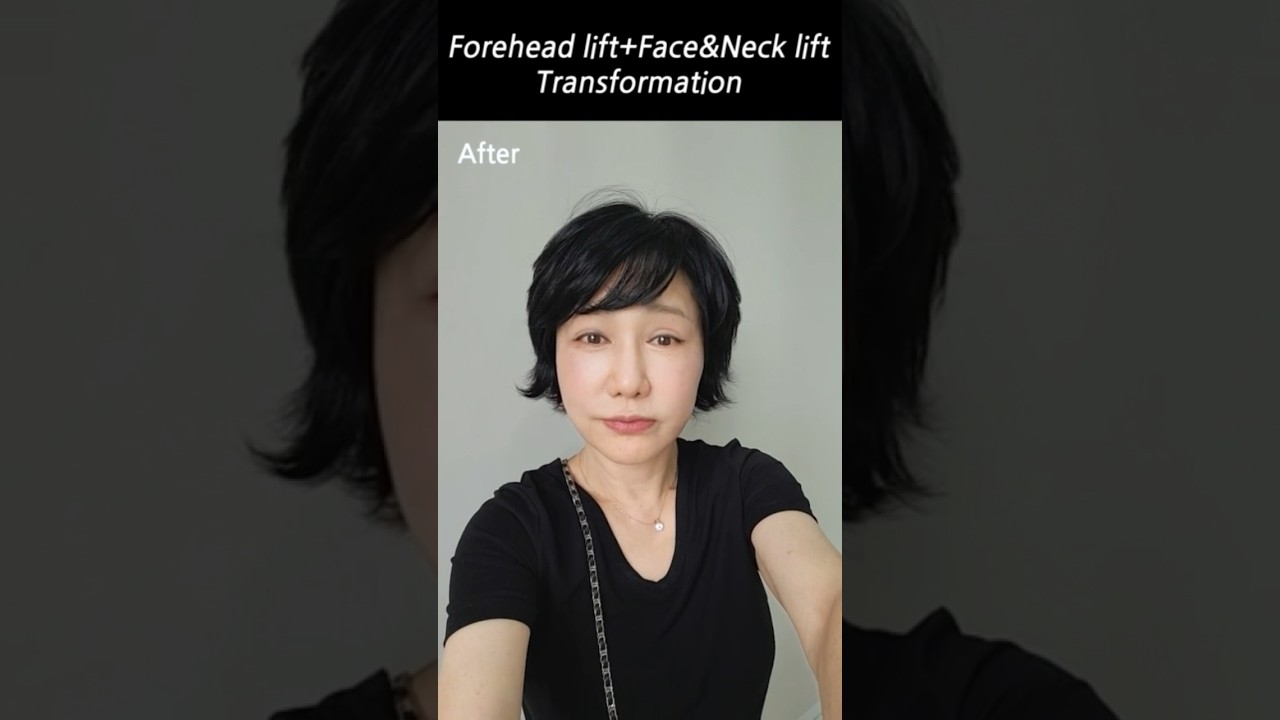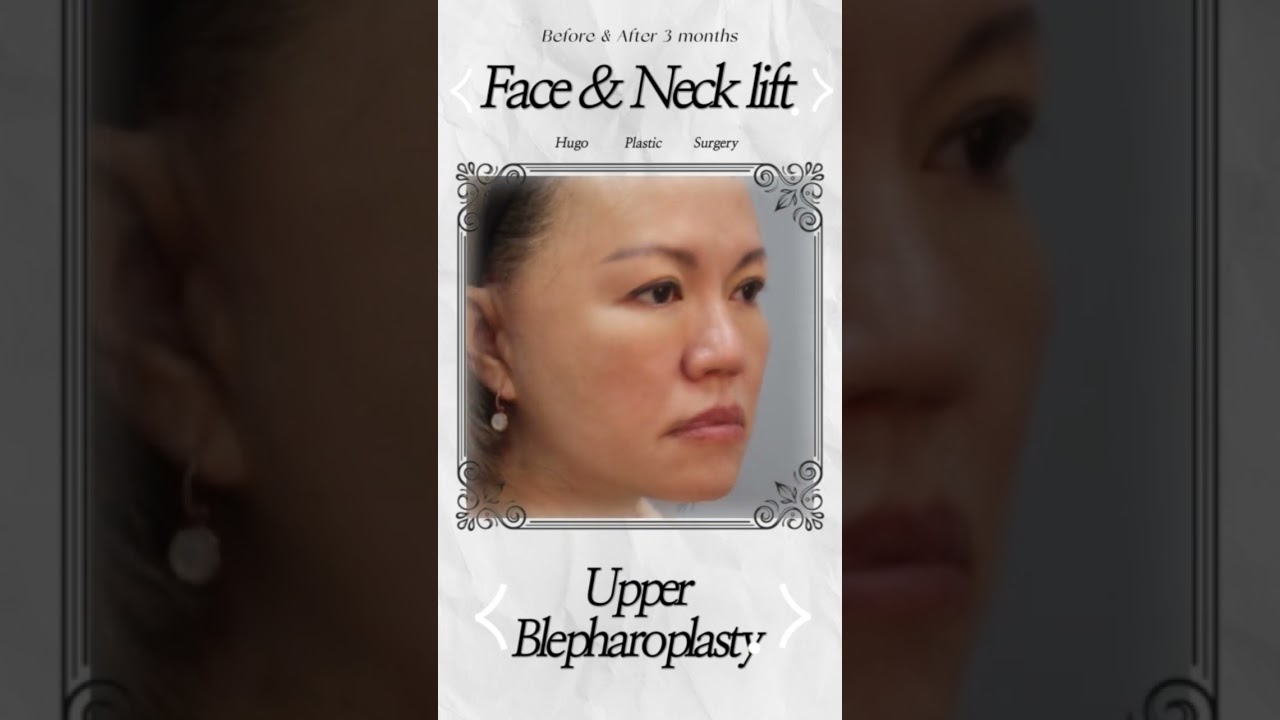
Reinforcing the SMAS layer for natural retention
The pull is strong,
Adhesion naturally
-
The completion of the facial lift,
Double SMAS
Deeper,
Stronger,
More natural!
Segmenting the SMAS layer to pull it twice — Hugo's signature facelift
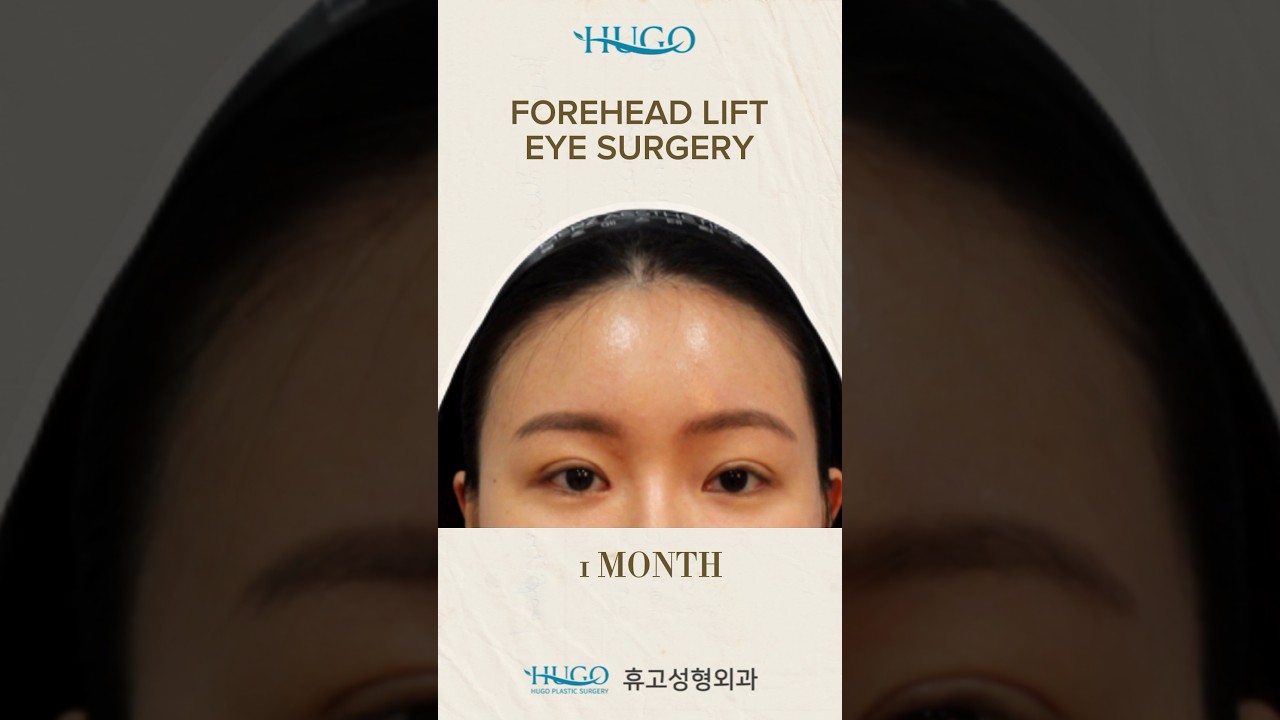
It's not the eyes, it's the forehead.
With 5-point double fixation, eyes and impression at once!
Developed by Hugo Plastic Surgery — Se lf-developed HOT
Just pulling widens the cheekbones
Apple-Up Thread Lifting gathers and pulls.
Gathers the cheek fat
Firms the mid-face!
A hospital that puts patient beauty and safety first
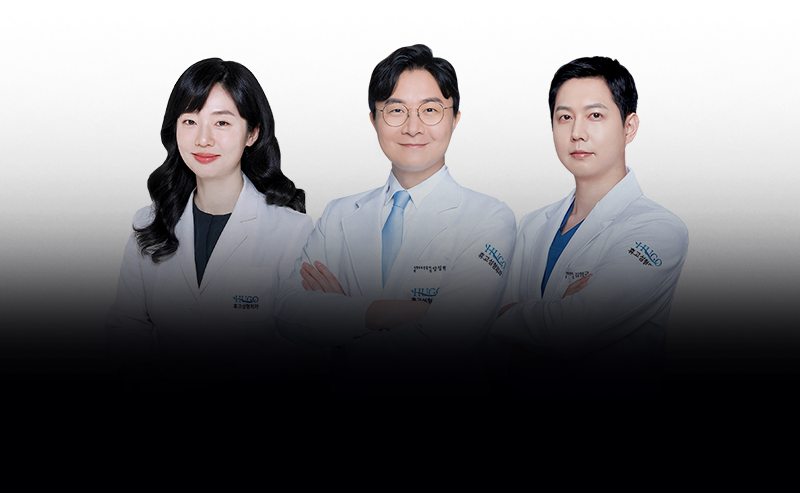
Top specialists in every field
deliver the best results.
Meet our medical team ▶
Family Medicine Specialist
Park Hye-ran
M.D.
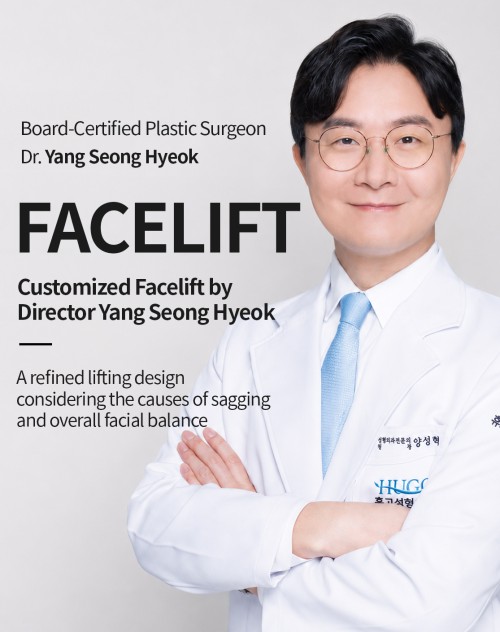
Plastic Surgery Specialist
Yang Seong-hyeok
Director
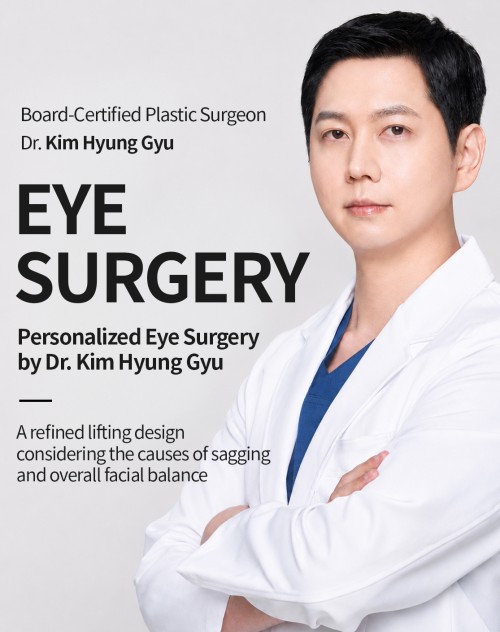
Plastic Surgery Specialist
Kim Hyung-kyu
M.D.
Reinforcing the SMAS layer for natural retention
The pull is strong,
Adhesion naturally -
The completion of the facial lift,
Double SMAS
Deeper,
Stronger,
More natural!
Segmenting the SMAS layer to
pull it twice — Hugo's signature facelift
It's not
the eyes,
it's the forehead.
With 5-point double fixation,
eyes and impression at once!

HOT
Developed by Hugo Plastic Surgery —
Self developed
Just pulling widens the cheekbones
Apple-Up Thread Lifting gathers and pulls.
A hospital that puts patient beauty and safety first
Top specialists in every field
deliver the best results.
Family Medicine Specialist
Park Hye-ran
M.D.
Plastic Surgery Specialist
Yang Seong-hyeok
Director
Plastic Surgery Specialist
Kim Hyung-kyu
M.D.

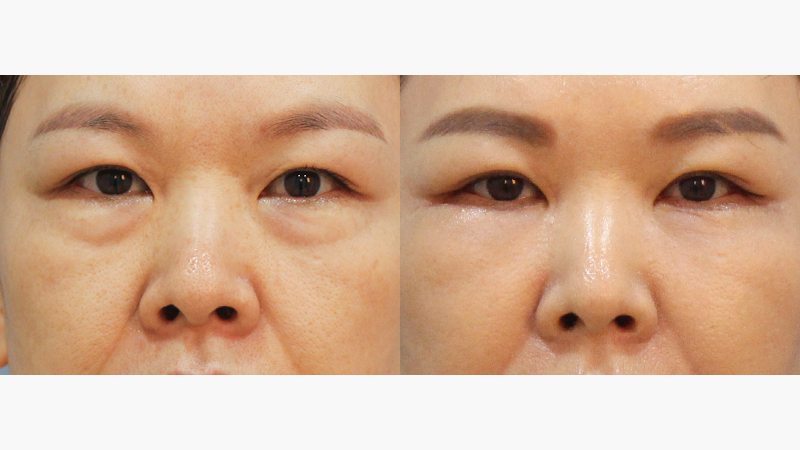
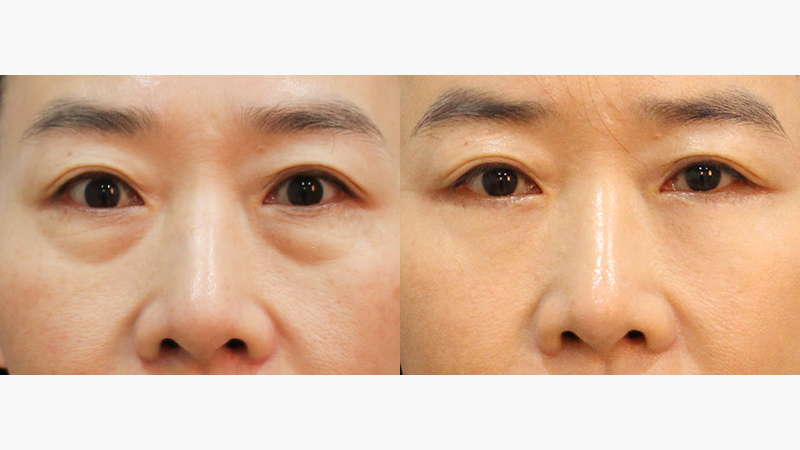
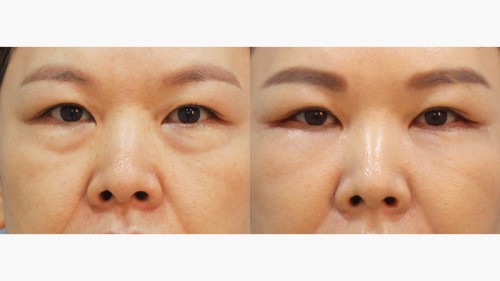
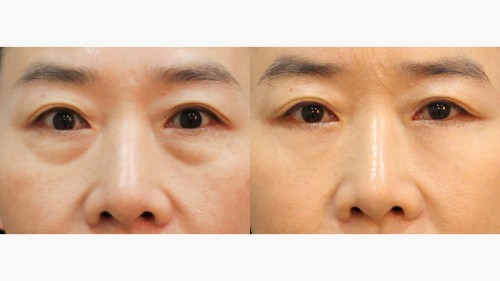
A moment of change shown by a small difference, Before & After
Lower Blepharoplasty
Other before & after photos
MORE VIEW
Complications such as bleeding, infection, and inflammation may occur after surgery, and may vary from person to person.
Before and after photos may differ from the actual results depending on shooting conditions (lighting, makeup, etc.).
Treatment results may vary depending on the individual's condition. Please consult with a specialist to confirm the method that suits you.
Plastic surgery information from a specialist! HUGO TV
Plastic surgery information from a specialist!
medical_report
Hello.
I am Dr. Yang Seong-hyeok, a
board-certified plastic surgeon at Hugo Plastic Surgery.
The area around the eyes has relatively
thin skin and is constantly affected by facial expressions and movement. For
this reason, signs of aging often become noticeable around the eyes earlier
than in other areas.
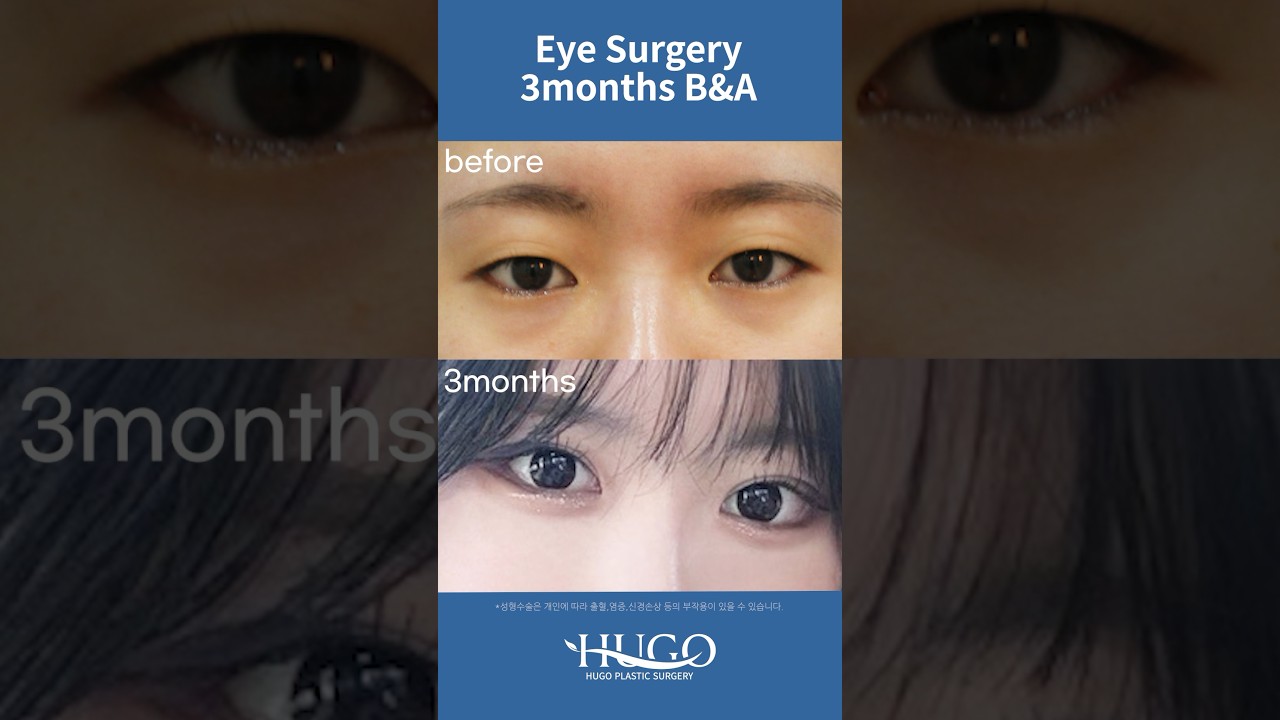
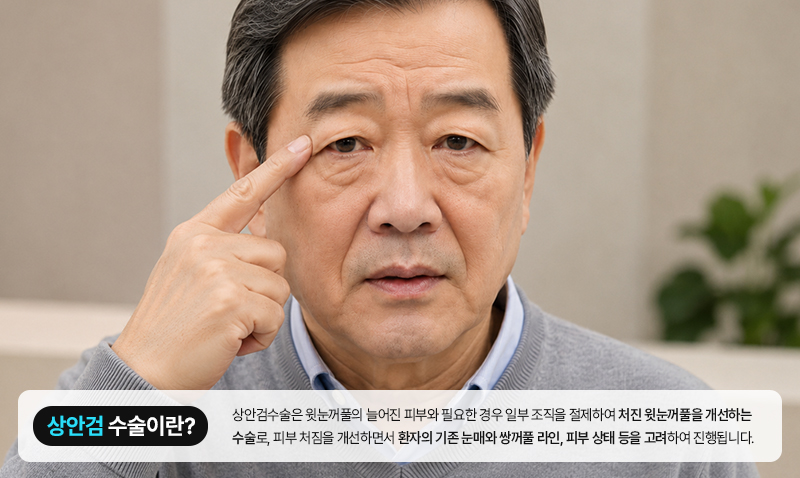
As we age, the skin of the upper eyelids
may become loose and saggy, making the eyes appear heavy, tired, or aged.
Sagging skin may cover the natural
double-eyelid crease, and in more severe cases, it may even interfere with the
upper field of vision.
There are several surgical options
available to address upper eyelids sagging, including upper blepharoplasty,
sub-brow lift surgery, and forehead lift surgery.
However, not every case of eyelid sagging
requires the same surgical approach.
Depending on whether the problem is caused
by excess upper-eyelid skin, drooping eyebrows, or reduced eyelid-opening
function, the most appropriate treatment method may vary.

What Is Upper Blepharoplasty?
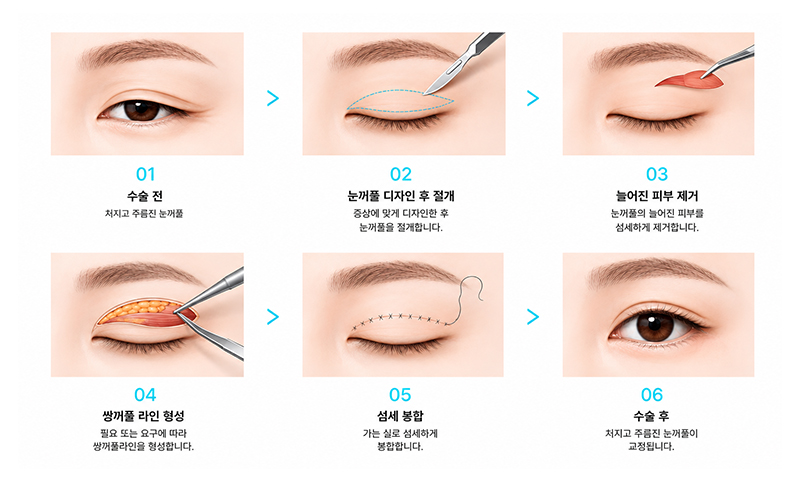
Upper blepharoplasty is a surgical
procedure designed to address upper eyelids sagging by removing excess skin
and, when necessary, adjusting certain underlying tissues.
The procedure is planned based on the
patient's individual eye shape, double-eyelid crease, skin condition, and
overall eyelid structure.
The surgical technique and the amount of
skin removed may vary depending on each individual's condition. Therefore, the
same surgical method is not applied to every patient.
In particular, when reduced eyelid-opening
strength is present, addressing excess skin alone may not be sufficient.
For this reason, an accurate evaluation is
necessary to determine whether an additional procedure, such as ptosis
correction, may be appropriate.
When Can Upper Blepharoplasty Be
Considered?
Upper blepharoplasty may be considered in
the following situations:
✔ When excess upper-eyelid skin makes the
eyes appear heavy or tired
✔ When sagging skin covers the existing
double-eyelid crease
✔ When excess eyelid skin causes a feeling
of heaviness or discomfort
✔ When sagging upper-eyelid skin affects
the upper field of vision
✔ When upper-eyelid sagging has become
more noticeable with age
✔ When a clearer, more refreshed appearance
of the eyes is desired
However, the presence of these symptoms
does not necessarily mean that upper blepharoplasty is the most appropriate
procedure.
Eyelid sagging may also be related to
eyebrow ptosis, eyelid ptosis, or other anatomical factors.
Therefore, determining the underlying cause
through a thorough evaluation is important when selecting the most appropriate
surgical method.

How Is Upper Blepharoplasty Performed?
During upper blepharoplasty, the incision
is carefully planned based on the condition of the upper-eyelid skin and the
patient's existing double-eyelid crease.
After the surgical design is established,
excess skin is appropriately removed, and surrounding tissues may be adjusted
when necessary to address eyelid sagging.
One of the most important aspects of the
procedure is determining how much skin should be removed.
Removing more skin does not necessarily
lead to a better result.
Excessive skin removal may increase the
risk of problems such as difficulty closing the eyes completely, tightness of
the eyelids, or an unnatural appearance.
For this reason, an individualized surgical
plan based on the patient's eye condition is important.
Where Is the Scar Located After Upper
Blepharoplasty?
One of the most common concerns among
patients considering upper blepharoplasty is postoperative scarring.
The incision is generally made along the
natural upper-eyelid crease or double-eyelid line.
As a result, the incision scar remains in
that area after surgery.
Over time, however, the incision typically
goes through a healing process, and the scar may gradually become less
noticeable and more natural in appearance.
The healing process may vary depending on
individual skin characteristics, surgical techniques, and postoperative care.
Therefore, it is important to discuss the
incision location and expected scar appearance thoroughly before surgery.
Upper Blepharoplasty Recovery Period
The recovery process following upper
blepharoplasty may vary depending on the individual's condition and the extent
of the surgery.
Immediately after surgery, swelling,
bruising, and redness around the incision area may occur.
These symptoms generally improve gradually
over time.
Stitches are commonly removed approximately
7 days after surgery.
Although major swelling may begin to
decrease within approximately 1 to 2 weeks, additional time may be needed for
the tissues to stabilize, residual swelling to subside, and incision scars to
gradually fade.

What Is the Difference Between Upper
Blepharoplasty and Double-Eyelid Surgery?
Upper blepharoplasty and double-eyelid
surgery may appear similar because the incision can be made in a similar area.
However, the purpose of each procedure and
the patients for whom they are appropriate can differ.
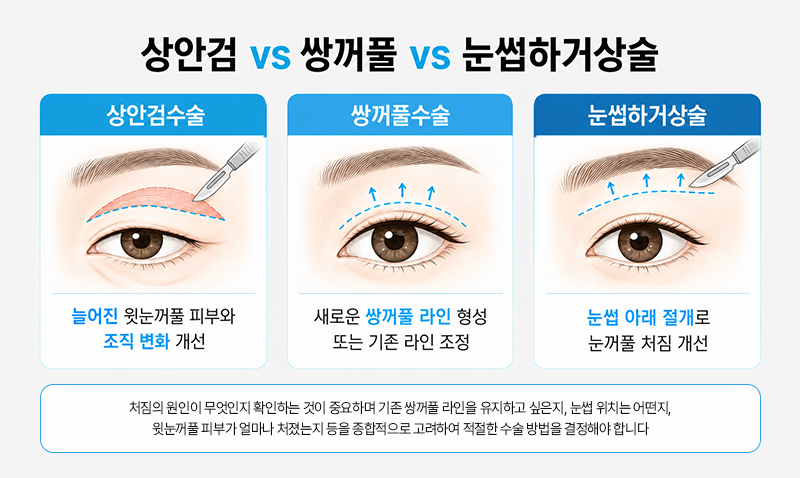
Double-eyelid surgery primarily focuses on
creating a new double-eyelid crease or adjusting an existing crease.
Upper blepharoplasty, on the other hand, is
primarily performed to address age-related changes such as excess or sagging
upper-eyelid skin.
Depending on the patient's condition, the
double-eyelid crease may also be adjusted during upper blepharoplasty.
Therefore, the specific surgical approach
may vary depending on the patient's eye condition and desired outcome.
What Is the Difference Between Upper
Blepharoplasty and a Sub-Brow Lift?
Both upper blepharoplasty and sub-brow lift
surgery may help address sagging around the upper eyelids.
However, there are differences in the incision
location and surgical approach.
Upper blepharoplasty directly addresses the
upper eyelid by making an incision and removing excess skin and, when
necessary, adjusting the surrounding tissues.
A sub-brow lift, on the other hand,
approaches the area through an incision along the lower border of the eyebrow
to address sagging around the upper eyelid.
Rather than determining that one procedure
is always better than the other, it is important to identify the cause of the
eyelid sagging.
Factors such as whether the patient wishes
to maintain the existing double-eyelid crease, the position of the eyebrows,
and the degree of upper-eyelid skin laxity should all be considered when
selecting the most appropriate procedure.

What Matters More Than the Cost of Upper
Blepharoplasty?
Cost is naturally one of the factors
patients may consider when planning upper blepharoplasty.
However, rather than selecting a procedure
based solely on cost, it is important first to determine whether the surgery is
appropriate for the individual's eye condition.
If surgery is performed without accurately
identifying the cause of eyelid sagging, the results may differ from what the
patient expected.
Upper blepharoplasty is not simply a
procedure that removes excess skin.
The patient's existing eye shape,
double-eyelid crease, eyelid-opening function, eyebrow position, and overall
eyelid structure should all be considered.
Surgical results may vary depending on
individual eye anatomy, skin condition, and the surgical method used.
Therefore, a thorough consultation is
important when determining the most appropriate surgical plan.
Upper blepharoplasty is one of the surgical
options that may be considered for sagging upper-eyelid skin.
For a more natural-looking result, it is
important to accurately evaluate the cause of eyelid sagging and establish an
individualized surgical plan based on each patient's unique eye structure.
Written by Seong-Hyeok Yang MD,
board-certified plastic surgeon specializing in facial rejuvenation surgeries
at HUGOPS
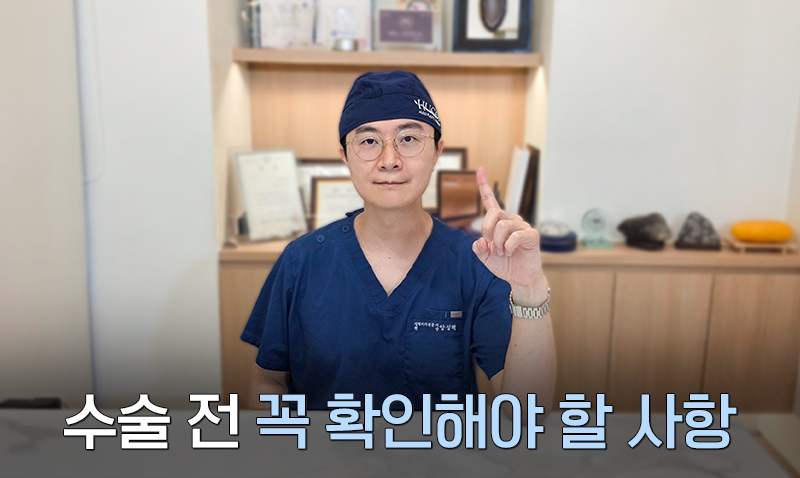
If you are planning to undergo plastic surgery, preparing properly before the procedure is just as important as the surgery itself.
Pre-operative fasting, medications, smoking, alcohol consumption, and your overall health can all directly affect the safety of anesthesia, surgical outcomes, and your recovery.

Proper preparation before plastic surgery is essential for a safe procedure and smooth recovery. Be sure to inform your medical team of any underlying medical conditions, allergies, and all medications or supplements you are taking. Never stop taking prescribed medications without consulting your surgeon. Follow the required fasting instructions, avoid alcohol and smoking before surgery, remove all gel nail polish and jewelry, and wear comfortable clothing on the day of your procedure. It is also recommended to shower before arriving, wear glasses instead of contact lenses if needed, avoid driving yourself home after surgery, and bring a valid photo ID. Following these pre-operative instructions helps improve surgical safety, reduces anesthesia-related risks, and supports a faster, smoother recovery..

Should I tell my
surgeon about my medical conditions before surgery?
Yes. Before
undergoing plastic surgery, you should inform your surgeon about any current or
previous medical conditions.
Please let us
know if you have any of the following:
• High blood pressure (hypertension)
• Diabetes
• Thyroid disease
• Cardiovascular disease
• Asthma
• Anemia
• Psychiatric disorders
Even if your
condition is mild or well controlled, it is important to disclose it so your
surgical plan can be tailored safely.
Please also
inform your medical team if you have:
• Drug or anesthesia allergies
• A history of heart, lung, liver,
kidney, or brain surgery
• Previous chemotherapy treatment
• Implanted medical devices such as
a pacemaker, implantable defibrillator, or cochlear implant
• Cold symptoms, fever, cough, or
phlegm before surgery

What should I do about my medications before surgery?
Please inform your surgeon about all medications and dietary supplements you are currently taking.
Certain medications and supplements may increase the risk of bleeding, including:
• Aspirin
• Plavix (Clopidogrel)
• Effient (Prasugrel)
• Omega-3 supplements
• Vitamin E
• Red ginseng
• Herbal medicine
• Oral contraceptives
Do not stop taking any prescribed medications on your own.
Whether a medication should be discontinued—and when—depends on your individual medical condition. Always follow your surgeon's instructions.
Blood pressure medication
Blood pressure medications are generally taken on the morning of surgery with a small sip of water unless instructed otherwise.
Diabetes medication
Diabetes medications are usually not taken on the day of surgery, as taking them while fasting may increase the risk of hypoglycemia (low blood sugar).
Wegovy® and Mounjaro®
GLP-1 receptor agonists such as Wegovy® and Mounjaro® can delay stomach emptying, increasing the risk of aspiration during anesthesia.
Please consult your surgeon, as these medications may need to be discontinued for at least two weeks before surgery.

Why is fasting before surgery so important?
Patients undergoing surgery under sedation or general anesthesia should fast for at least six hours before surgery.
This includes:
• Food
• Water
• Gum
• Candy
• Caramel
Fasting helps prevent aspiration, a serious complication in which stomach contents enter the airway during anesthesia.
For your safety, please follow the fasting instructions provided by your medical team.
We also recommend avoiding alcohol for at least one week before surgery, as alcohol may increase bleeding risk.
Please avoid overeating the night before your procedure

Why should I remove gel nail polish and jewelry before surgery?
During surgery, a pulse oximeter is attached to your finger to continuously monitor your oxygen saturation.
Gel nail polish or nail coatings may interfere with accurate monitoring, so please remove them before your appointment. If complete removal is difficult, please remove the polish from at least one or two fingernails.
All metal accessories—including necklaces, earrings, rings, bracelets, and watches—should also be removed before surgery.
What should I wear on the day of surgery?
We recommend wearing comfortable clothing that is easy to put on and remove, such as:
• Button-up shirts
• Cardigans
• Zip-up jackets
• Front-button tops
Please avoid turtlenecks or tight-fitting clothing.
For your trip home after surgery, you may also find it helpful to bring a wide-brimmed hat, sunglasses, or a scarf.

When should I visit the hair salon before surgery?
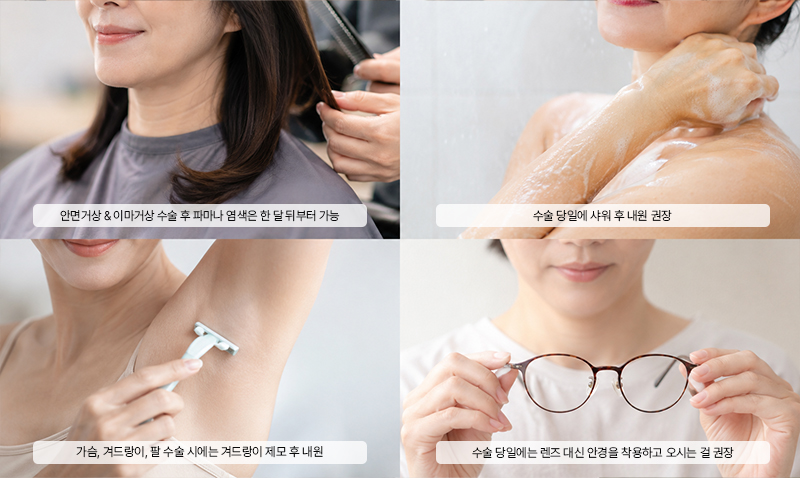
If you are planning a facelift or forehead lift, it is recommended to have your hair cut, colored, or permed 3–4 days before surgery.
Hair coloring or perming is generally not recommended for about one month after surgery.
Please avoid coloring or perming your hair on the day before surgery, as these treatments may irritate the scalp.
Should I shower before coming to the hospital?
Yes. Please shower thoroughly before arriving for surgery to help reduce the risk of infection.
Depending on your procedure, you may not be able to shower for one or two days afterward.
If you are having breast, underarm, or arm surgery, underarm hair removal is recommended.
If you normally wear contact lenses, please wear glasses instead on the day of surgery.
Patients undergoing eyelid surgery should remove eyelash extensions before surgery.

Why can't I drive myself home after surgery?
Most plastic surgery procedures are performed under sedation.
Because sedatives can temporarily impair your judgment, coordination, and reaction time, driving after surgery is unsafe.
If possible, have a family member or friend accompany you. Otherwise, please use a taxi or public transportation.
Why do I need to bring a photo ID?
Under the revised Korean National Health Insurance Act, medical institutions are required to verify each patient's identity before providing medical services.
Please bring a valid government-issued photo ID, such as:
• Passport
• Driver's license
• National identification card

Frequently Asked Questions (FAQ)
Can I drink water before surgery?
No. Please do not eat or drink anything, including water, during the fasting period instructed by your surgeon.
Should I take my blood pressure medication on the day of surgery?
In most cases, yes. Take it with a small sip of water unless your surgeon instructs otherwise.
Should I take my diabetes medication on the day of surgery?
Generally, no. Diabetes medications are often withheld on the day of surgery to reduce the risk of hypoglycemia while fasting.
When should I stop taking Wegovy® or Mounjaro®?
GLP-1 medications may need to be discontinued before surgery. Please consult your surgeon for personalized instructions.

Hello,
I am Dr. Yang Sung-hyuk, Director of Hugo
Plastic Surgery.
One of the questions I frequently receive
during facelift consultations is:
“Can fat grafting be performed at the same
time as a facelift?”
The answer is yes. Facelift surgery and
fat grafting can be performed simultaneously. However, combining the two
procedures is not necessarily the best option for every patient.
Facial aging is not caused simply by loose
skin.
In addition to sagging of the skin and soft
tissues, several factors contribute to facial aging, including fat loss and
redistribution, as well as changes in the retaining ligaments and fascial
structures.
Therefore, when planning a facelift, it is
important not only to determine which areas have become lax, but also to assess
which areas have lost volume.
In particular, nasolabial folds and
lateral cheek hollowing are concerns for many patients. Because these
changes can have different underlying causes, the appropriate surgical approach
should be determined based on each individual's facial anatomy and condition.

Why Do Nasolabial Folds Develop?
The area commonly referred to as the nasolabial
fold is the crease that extends from the side of the nose toward the area
around the mouth.
The deepening of nasolabial folds with age
cannot be attributed to a single cause. Rather, it is the result of several
factors acting together, including:
✔️ Downward displacement of the midface soft tissues
✔️ Changes in the position and volume of buccal and cheek fat
✔️ Sagging of the skin and soft tissues
✔️ Changes in the retaining ligaments and fibrous structures
✔️ Repetitive movement of the facial muscles
✔️ Age-related changes in the facial skeleton and soft tissues
As the midface ages, the soft tissues of
the cheek can shift downward, while changes in the supporting structures can
make the nasolabial folds more pronounced.
Therefore, the idea that “the skin has become
loose, so simply pulling the skin tight will eliminate the nasolabial folds”
may be an overly simplistic approach to complex anatomy of the face.

Why Do the Lateral Cheeks Appear Hollow?
Many patients also say,
“My lateral cheeks look hollow, so I would
like to have fat grafting.”
However, hollowing of the lateral cheeks
cannot always be attributed simply to a lack of fat. Broadly speaking, there
are several possible causes.
1. Actual Loss of Volume
As we age, facial fat may decrease in
volume or change its position, causing the cheeks to appear more hollow than
before.
In such cases, restoring an appropriate
amount of volume to the deficient areas may be considered.
2. Hollowing Caused by Tissue Descent
Even when there has not been significant
fat loss, the upper cheek tissues may descend and accumulate lower on the face.
This can create a visible transition
between the cheekbone and the cheek, making the lateral cheek appear sunken.
In such cases, simply adding fat may make
the entire face appear unnecessarily fuller.
Therefore, when treating hollowing of the
lateral cheeks, it is important to first determine whether there is an
actual lack of fat or whether the hollow appearance is primarily caused by
changes in the position of the soft tissues.
Can Facelift Surgery and Fat Grafting Be
Performed Together?
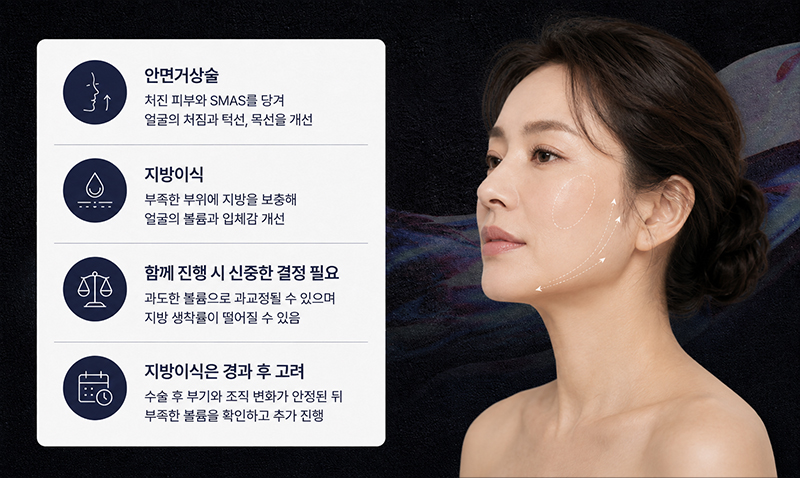
A facelift is a procedure designed to
improve facial laxity, including sagging of the skin and SMAS, as well as the
contours of the jawline and neck.
Fat grafting, on the other hand, is
performed to restore volume to areas that have become deficient and to improve
facial volume and three-dimensional contour.
However, combining facelift surgery with
fat grafting requires careful consideration.
A facelift alone can reposition sagging
cheek tissues upward, which may make certain areas appear fuller.
If a significant amount of fat is then
added on top of this, the face may appear excessively full, or the result may
become more corrected than intended.
For transplanted fat to survive, the
grafted fat cells need to receive an adequate blood supply from the surrounding
tissues.
Because facelift surgery involves tissue
dissection and can temporarily alter local blood flow, fat graft survival may
be affected.
Can Facelift Surgery and Fat Grafting Be Performed Together?
A facelift is a procedure designed to improve facial laxity, including sagging of the skin and SMAS, as well as the contours of the jawline and neck.
Fat grafting, on the other hand, is performed to restore volume to areas that have become deficient and to improve facial volume and three-dimensional contour.
However, combining facelift surgery with fat grafting requires careful consideration.
A facelift alone can reposition sagging cheek tissues upward, which may make certain areas appear fuller.
If a significant amount of fat is then added on top of this, the face may appear excessively full, or the result may become more corrected than intended.
For transplanted fat to survive, the grafted fat cells need to receive an adequate blood supply from the surrounding tissues.
Because facelift surgery involves tissue dissection and can temporarily alter local blood flow, fat graft survival may be affected
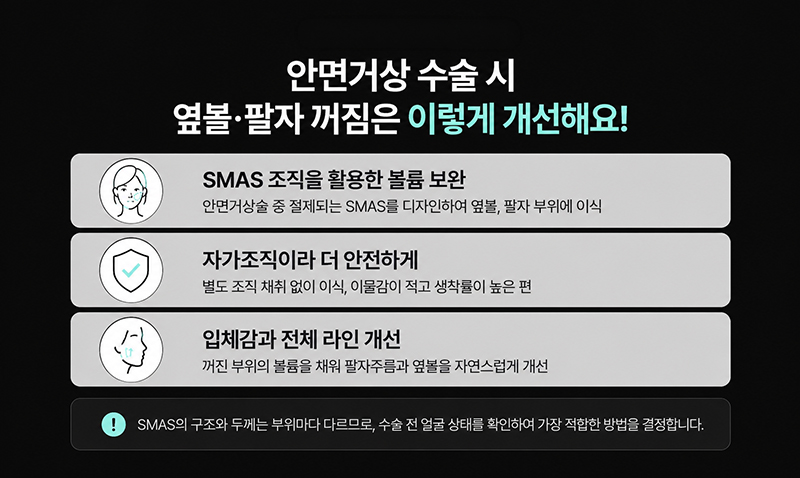
How Can Hollowing of the Lateral Cheeks
and Nasolabial Folds Be Improved During a Facelift?
There are several methods for improving
volume deficiency in areas such as the lateral cheeks and nasolabial folds,
including fat grafting, autologous tissue augmentation, dermal fillers, and
implants.
One option that may be considered is using SMAS
tissue obtained during the facelift procedure to provide additional volume
to selected areas
What Is the SMAS?
SMAS stands for Superficial
Musculoaponeurotic System.
Simply put, it is a fibrous and fascial
layer of soft tissue located beneath the skin of the face. It plays an
important role in supporting and coordinating the movement of the skin,
surrounding soft tissues, and facial expression muscles.
During facelift surgery, rather than simply
pulling the skin, the SMAS may be dissected, repositioned, or otherwise
adjusted depending on the patient's condition and the surgical technique being
used.
In some techniques, a portion of the SMAS
may be removed during this process.
Instead of discarding this tissue, it can,
in selected cases, be carefully shaped and utilized to help restore volume to
areas such as the lateral cheeks or nasolabial folds.
What Are the Advantages of SMAS
Grafting?
One of the potential advantages of SMAS
grafting is that it uses the patient's own tissue to restore volume to
areas that appear deficient.
When performed together with a facelift, it
may not require a separate incision or additional tissue-harvesting procedure.
It may also help minimize the discomfort
associated with introducing foreign materials while providing volume to areas
such as the nasolabial folds and lateral cheeks.
By restoring volume in carefully selected
areas, it can help enhance facial three-dimensionality and improve overall
facial contours.
Compared with some other types of grafting
material, autologous SMAS tissue may also have favorable tissue integration
characteristics.
However, the structure and thickness of the
SMAS vary depending on the facial region, and whether SMAS grafting or fat
grafting is more appropriate should be determined after evaluating the
patient's individual facial anatomy and condition.
A Facelift Is More Than Simply Removing
Excess Skin
Facelift surgery is not simply a procedure
in which loose skin is pulled tight and excess skin is removed.
The goal is to restore facial balance by
comprehensively considering age-related changes in the skin, soft tissues,
SMAS, tissue position, and volume.
In particular, nasolabial folds and
hollowing of the lateral cheeks are often difficult to explain solely by skin
laxity.
Rather than simply choosing between a
facelift and fat grafting, it is important to first determine the underlying
cause of each concern.
Facelift surgery and fat grafting can be
performed simultaneously in selected cases. Alternatively, depending on the
surgical technique and the patient's anatomy, SMAS tissue obtained during the
facelift may be utilized to provide additional volume to areas that requiring
augmentation.
Ultimately, the most important question
is not simply which procedure to perform, but rather what has become lax and
what has lost volume in your individual face.
If you are considering a facelift and are
also concerned about nasolabial folds or hollowing of the lateral cheeks, it is
advisable to separately assess tissue laxity and volume deficiency
before determining the surgical approach that is most appropriate for you.
Written by Seong-Hyeok Yang, MD, a
board-certified plastic surgeon specializing in facial rejuvenations at HUGOPS

휴고 FAQ
이전 수술 상태, 흉터, 피부 여유, 눈밑 구조를 확인한 뒤 재수술 가능 여부를 판단합니다.
보통 40대 이후 많이 고려하지만, 눈밑 지방 돌출이나 피부 처짐이 빠르게 나타난 경우 더 이른 나이에도 상담할 수 있습니다.
꺼짐이 주된 경우 필러가 도움이 될 수 있지만, 피부 처짐이나 지방 돌출이 있다면 수술적 접근이 더 적합할 수 있습니다.
Hospital Name: Hugo Plastic Surgery
Representative: Yang Seong-hyeok Business Registration No.: 535-70-00514 Tel: 02.515.1165 Fax: 02.516.1165
Address: 1F–2F, 7 Hakdong-ro 4-gil, Gangnam-gu, Seoul, Korea
COPYRIGHT (C) 2022 HUGO PLASTIC SURGERY. ALL RIGHTS RESERVED.